Anteral provides the best quality products based on antennas and RF components, offering ad-hoc design service to make our products fulfill any requirements you have on mind.
Anteral is also focused on universalize the use of radar technology by boosting innovative applications and making their radar solutions accessible for all.
Innovation is part of Anteral DNA. This is why we set aside a relevant part of our resources to research project, which strengthen and enlarge our know-how giving us the opportunity to create new developments.
Anteral is formed by engineers and PhDs specialized in telecommunications, computing and electronics, who establish a highly qualified and multidisciplinary team able to face the most demanding challenges from our clients and partners.
Do All Traffic Radars Issue Fines? The Answer Is No
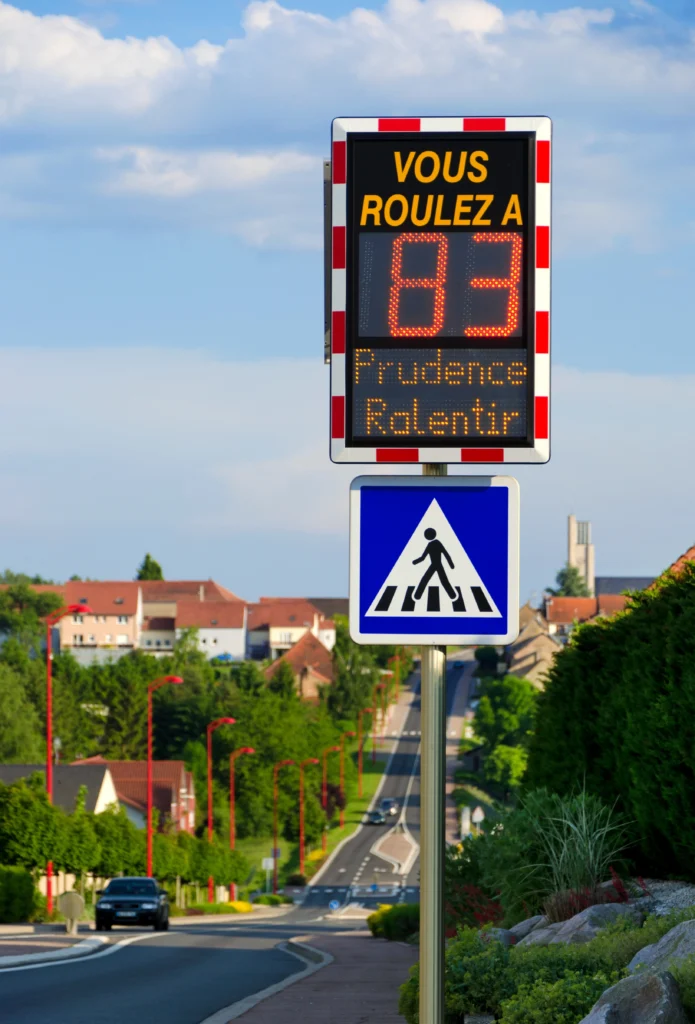
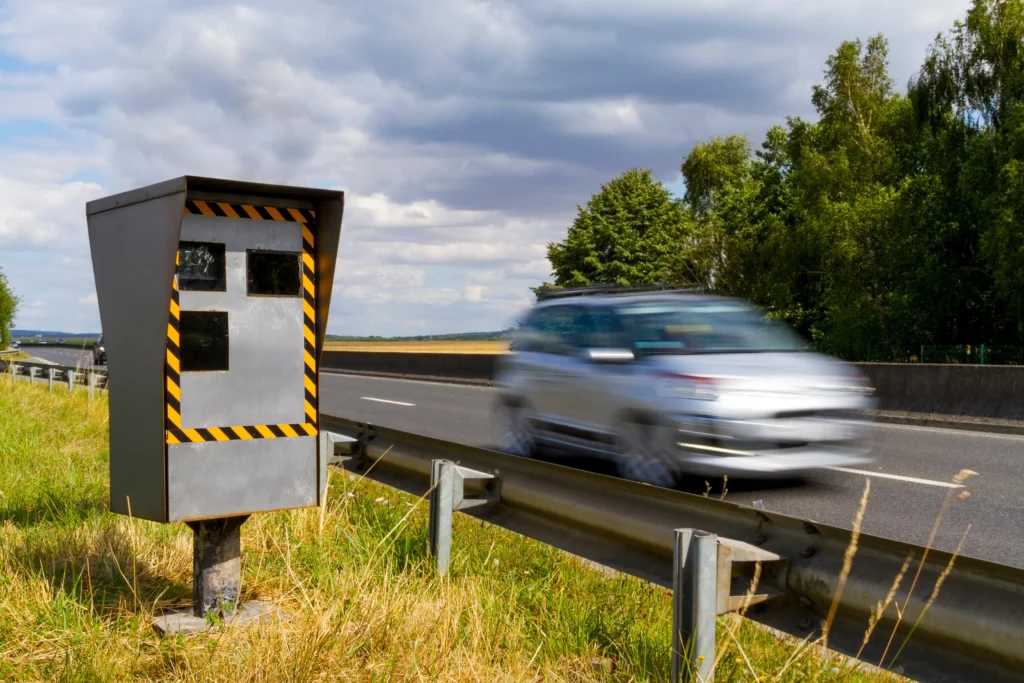
When people think of a traffic radar, they often associate it with speeding tickets. However, not all radar systems are designed for enforcement. Many are used exclusively to detect, measure, and analyze traffic without capturing images or identifying drivers.
These radar solutions provide accurate data on traffic flow, vehicle speed, lane occupancy, and vehicle classification. This information helps road authorities and infrastructure managers make data-driven decisions to improve mobility, optimize traffic management, and enhance road safety.
Unlike enforcement radars, traffic monitoring radars operate without the need for cameras or the collection of personal data, making them a privacy-friendly solution for intelligent transportation systems.
At Anteral Academy, we explain how these radar technologies work, the differences between enforcement and non-enforcement systems, and why they play a key role in building smarter, safer, and more efficient roads.
WE HAVE RADARS. BUT THET’RE NOT WHAT YOU’D EXPECT
When we hear the word “radar”, most people immediately think of speed cameras and traffic fines.
But radar technology is used in many other ways.
Modern radar systems can detect, measure and analyse traffic without taking pictures or identifying drivers.
Not every radar is designed for enforcement
RADAR WITH CAMERA vs RADAR WITHOUT CAMERA
RADAR WITH CAMERA
Captures images
Can identify licence plates
May be used for enforcement
RADAR WITHOUT CAMERA
Detects objects using radio waves
Measures speed, position and movement
Does not capture images
Does not identify drivers or vehicles
HOW DOES IT WORK?
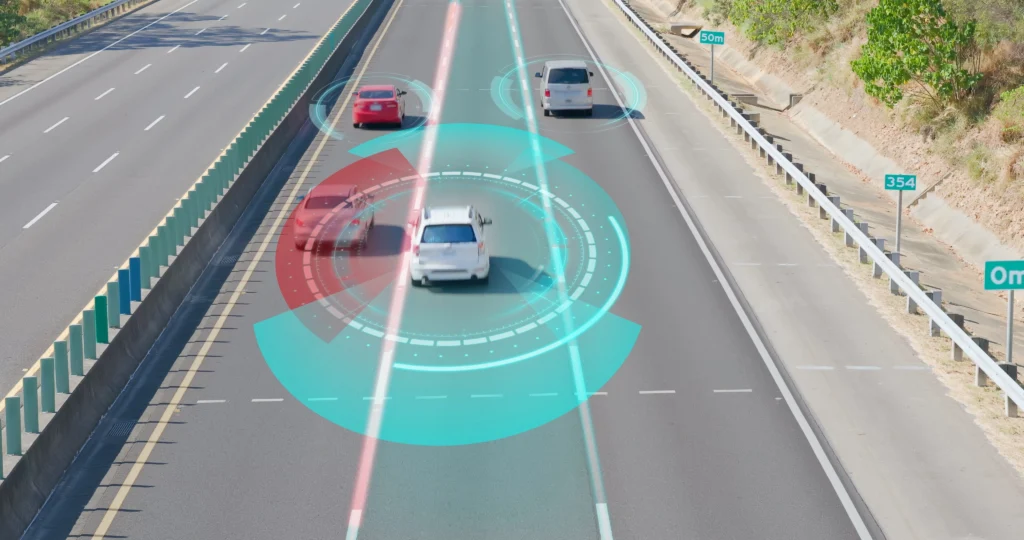
Radar sensors emit electromagnetic waves and analyse the reflected signal.
This allows them to:
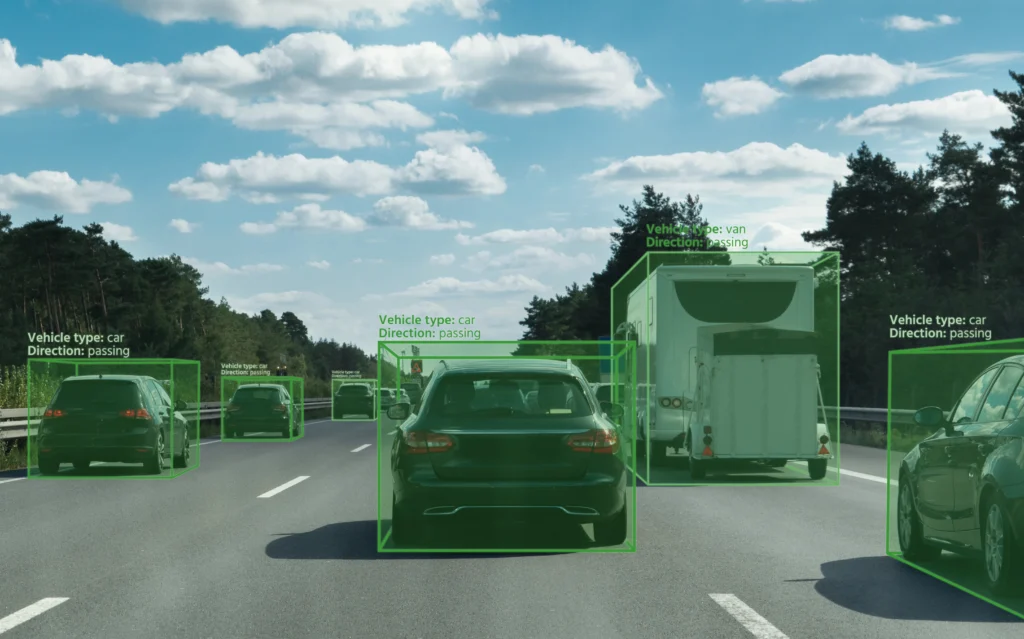
Detect vehicles, cyclists and pedestrians
Measure speed and direction
Count traffic flows
Monitor occupancy and movement
All in real time and under different lighting and weather conditions.
The information is obtained from the waves, not from the images.
WHERE IS IT USED?
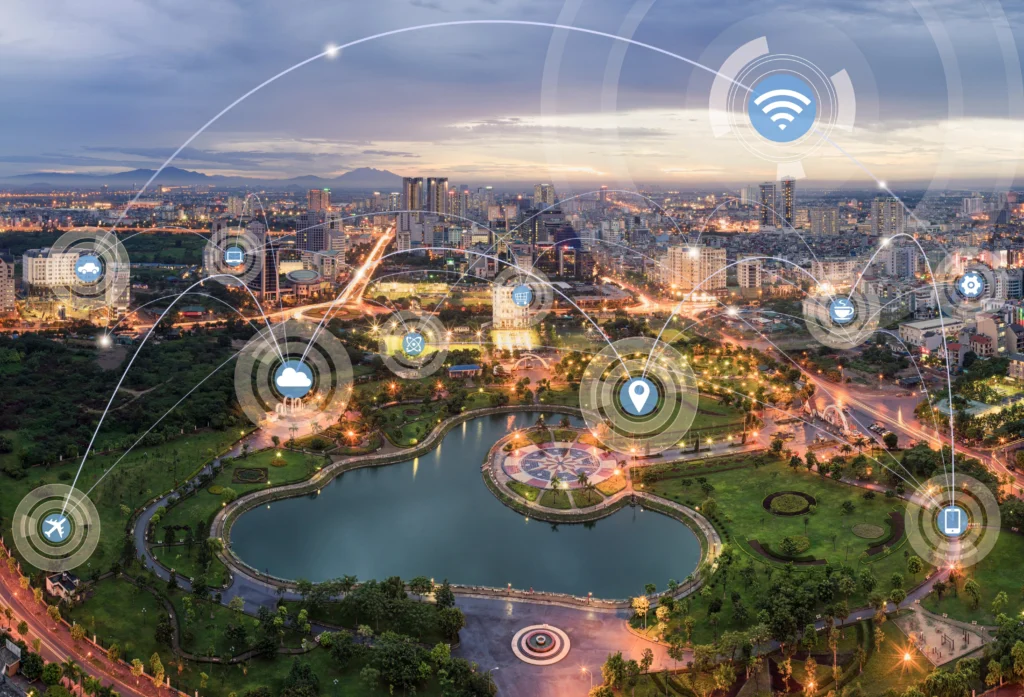
SMART CITIES
Traffic monitoring and mobility analysis
INTELLIGENT TRANSPORT SYSTEMS
Vehicle detection and traffic management
ROAD SAFETY
Speed monitoring and traffic studies
INDUSTRY
Object detection and process automation
DETECTING IS NOT FINING
Radar technology is much more than speed enforcement.Its purpose can be:
Measure
Analyse
Optimise
By providing reliable data for smarter mobility and infrastructure management.
We use cookies on our website to give you the most relevant experience by remembering your preferences and repeat visits. By clicking “Accept”, you consent to the use of ALL the cookies.
This website uses cookies to improve your experience while you navigate through the website. Out of these, the cookies that are categorized as necessary are stored on your browser as they are essential for the working of basic functionalities of the website. We also use third-party cookies that help us analyze and understand how you use this website. These cookies will be stored in your browser only with your consent. You also have the option to opt-out of these cookies. But opting out of some of these cookies may affect your browsing experience.
Necessary cookies are absolutely essential for the website to function properly. These cookies ensure basic functionalities and security features of the website, anonymously.
Cookie
Duration
Description
cookielawinfo-checbox-analytics
11 months
Esta cookie está configurada por el plugin de consentimiento de cookies de GDPR.La cookie se utiliza para almacenar el consentimiento del usuario para las cookies en la categoría "Análisis". Duración: 11 meses.
cookielawinfo-checbox-functional
11 months
La cookie está configurada por el plugin de cookies de GDPR para registrar el consentimiento del usuario para las cookies en la categoría "Funcional". Duración: 11 meses.
cookielawinfo-checbox-others
11 months
Esta cookie está configurada por el plugin de consentimiento de cookies de GDPR.La cookie se utiliza para almacenar el consentimiento del usuario para las cookies en la categoría "Otro". Duración: 11 meses.
cookielawinfo-checkbox-necessary
11 months
Esta cookie está configurada por el plugin de consentimiento de cookies de GDPR.La cookie se utiliza para almacenar el consentimiento del usuario para las cookies en la categoría "Necesario". Duración: 11 meses.
cookielawinfo-checkbox-performance
11 months
Esta cookie está configurada por el plugin de consentimiento de cookies de GDPR.La cookie se utiliza para almacenar el consentimiento del usuario para las cookies en la categoría "Rendimiento". Duración: 11 meses.
viewed_cookie_policy
11 months
La cookie está configurada por el plugin de consentimiento de cookies GDPR y se utiliza para almacenar si el usuario ha dado su consentimiento o no para el uso de cookies.No almacena ningún dato personal. Duración: 11 meses.
Functional cookies help to perform certain functionalities like sharing the content of the website on social media platforms, collect feedbacks, and other third-party features.
Performance cookies are used to understand and analyze the key performance indexes of the website which helps in delivering a better user experience for the visitors.
Analytical cookies are used to understand how visitors interact with the website. These cookies help provide information on metrics the number of visitors, bounce rate, traffic source, etc.
Advertisement cookies are used to provide visitors with relevant ads and marketing campaigns. These cookies track visitors across websites and collect information to provide customized ads.



Recent Comments